Back in the day, if you wanted shade or concealment outdoors, you were stuck with heavy canvas tarps that smelled like mildew and weighed a ton. Today, things are different-most outdoor users now rely on synthetic camouflage netting engineered for extreme conditions. I still remember dragging those old tarps through dry brush, only for them to tear at the first snag. Now, modern desert camo netting offers a smarter balance: lightweight, durable, and designed to vanish into arid landscapes. The real question isn’t whether you need one-it’s how to choose the right one for your specific use, from hunting blinds to backyard sun shelters.
Technical specifications for desert environments
When it comes to performance in harsh, sun-blasted regions, not all nets are built the same. The foundation of any reliable desert camo netting lies in its material composition. High-density Oxford fabric is a key indicator of quality-it’s tightly woven, inherently water-resistant, and far more tear-resistant than standard polyethylene mesh. But fabric alone isn’t enough. Equally important is the presence of a reinforced mesh backing. This dual-layer construction prevents stretching and tearing in high-wind zones, where gusts can turn a loosely anchored net into shredded debris overnight.
Also to read : Revitalize your tiny uk courtyard into a thriving veggie haven: expert tips for seamless integration
UV resistance is non-negotiable. Prolonged exposure to direct sunlight degrades most plastics and fabrics over time, leading to brittleness and fiber breakdown. Premium-grade netting incorporates UV-stabilized polymers during manufacturing, significantly slowing this degradation. Look for products that offer verified UV protection-some manufacturers apply treatments that extend lifespan by years. Without it, even a heavy-duty net may lose up to half its tensile strength within 12 to 18 months of continuous sun exposure.
Another often-overlooked factor is stitching. High-strength, lock-stitched seams prevent unraveling at stress points. Single-pass stitching may save costs, but it fails under tension. Double or triple stitching, especially along reinforced edges, ensures longevity. Also, consider material safety-non-toxic, odorless fabrics are essential, particularly for hunting or close-proximity shelter use. You don’t want your cover giving you away with a chemical scent.
In the same genre : Create your own solar dehydrator: effortless uk garden harvest preservation guide
For those looking to secure high-quality gear for their next mission or backyard project, a reliable source offers this specific https://sunny-garden-market.com/products/desert-camo-netting. This product uses 420D reinforced mesh, delivering both strength and long-term UV resistance-an ideal balance for demanding environments.
Durability and material choice
Choosing the right material isn’t just about toughness-it’s about matching performance to your environment. Oxford fabric, especially at 420D or higher, resists abrasion from sand and rocks better than lighter weaves. It also maintains structural integrity when wet, unlike some synthetic blends that stretch or weaken. Reinforced mesh backing adds rigidity, reducing flutter in the wind and helping the net hold its shape over time. This combination ensures that the net doesn’t just survive the elements-it performs under them.
Comparing military-grade versus recreational netting
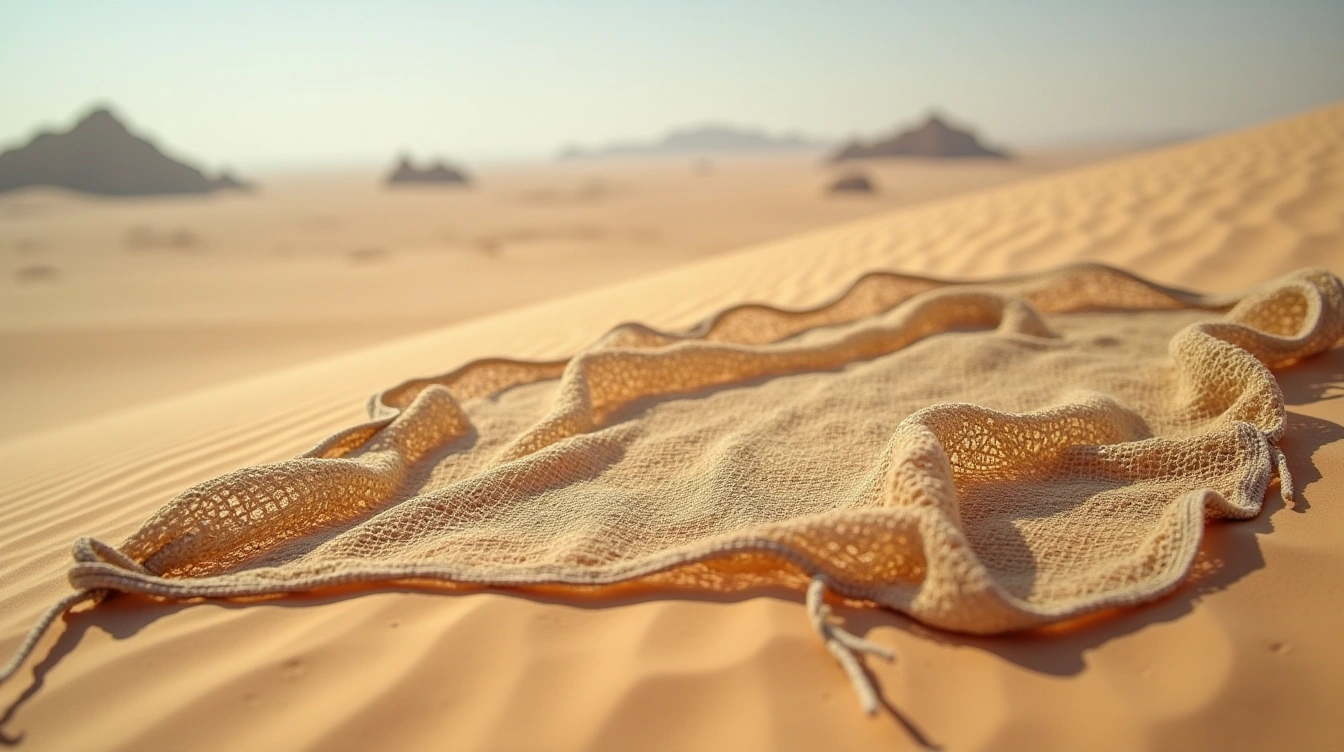
Not all desert camo netting serves the same purpose. The differences between military-spec, recreational, and professional custom models go beyond price-they reflect intended use, durability, and tactical effectiveness. Military-grade netting is designed for mission-critical concealment and prolonged field exposure. Recreational versions prioritize portability and cost, while custom professional cuts aim for a middle ground: durability with tailored dimensions.
One major differentiator is fire retardancy. Military models often include flame-resistant treatments, a crucial safety feature in dry, high-risk environments. While not standard in consumer-grade netting, this feature can be a deciding factor for permanent installations or areas prone to sparks or open flames.
Feature breakdown
Modern 3D leaf-cut patterns create depth and shadow variation, breaking up the human silhouette more effectively than flat, printed designs. The layered texture mimics natural vegetation, casting irregular shadows that confuse the eye-especially at a distance or in shifting light. This makes 3D netting far superior for hunting and surveillance.
Usage scenarios
For mobile operations-like backpacking or tactical drills-ultra-light, foldable netting makes sense. It packs small and sets up quickly. But for fixed installations like patio covers, hunting blinds, or garden shading, heavier reinforced models are worth the extra weight. They resist wear, maintain tension, and offer better long-term value.
| ✅ Feature | 🎖️ Military Reinforced | 🎒 Ultra-Lite Recreational | 🛠️ Custom-Cut Professional |
|---|---|---|---|
| UV Treatment | Advanced, multi-layer stabilization | Basic surface coating | Heavy-duty treatment, long-lasting |
| Fire Retardancy | Standard | Rare | Optional add-on |
| Weight per Sqm | 450-600g | 200-300g | 350-500g |
| Mesh Backing | Double-layer, high-tensile | Single-layer, flexible | Reinforced, customizable |
Key factors in concealment and protection
Effective camouflage isn’t just about color-it’s about disruption. A well-designed desert camo netting pattern breaks up outlines using contrasting tones and irregular shapes. Digital patterns, which use pixelated color blocks, are particularly effective because they create visual noise that prevents the brain from recognizing a human form. This technique, known as visual silhouette disruption, is what makes modern nets so hard to spot, even at close range.
Color accuracy matters too. Not all deserts look the same-sandy dunes, rocky mesas, and dry scrublands each have distinct color palettes. A net that blends into one environment might stand out in another. Look for patterns that combine tan, beige, and light brown tones with subtle green or gray undertones to match varied terrains. The best nets mimic local soil and vegetation, not generic “desert” hues.
Shadow depth is another silent advantage of 3D leaf patterns. By creating micro-shadows across the surface, they reduce flatness and add dimension. This helps the net disappear against natural backdrops, especially during sunrise or sunset when light is low and angled. In contrast, flat, printed nets often reflect light uniformly, creating a telltale “sail effect” that draws attention.
Visual blending techniques
For maximum concealment, consider layering multiple nets or combining them with natural debris like brush or dry grass. This enhances depth and breaks up the geometric edges of the netting. Positioning also plays a role-avoid placing the net on a clear horizon line, where it’s more likely to be silhouetted against the sky.
Essential maintenance for long-lasting performance
Even the toughest net won’t last forever if neglected. Proper care extends service life and maintains effectiveness. Start with cleaning: use mild soap and water, and avoid harsh detergents or pressure washers, which can degrade coatings and weaken fibers. Let the net dry completely before storing-trapped moisture leads to mold and rot, especially in humid climates.
Storage is just as critical. Never cram a used net into a tight bag while damp. Instead, loosely fold or roll it and store in a dry, ventilated space. This prevents creases from becoming permanent weak spots and reduces the risk of mildew.
Regular inspections help catch problems early. Check stitching along seams, especially at grommet points. Look for fraying, thinning, or discoloration-early signs of UV damage. Replace worn cords or repair small tears promptly before they spread. If your net lacks built-in UV protection, consider reapplying a UV-resistant spray every 6 to 12 months, particularly if it’s used in high-exposure areas.
Avoid dragging the net over sharp rocks or rough surfaces. Even durable materials can snag. Use gloves when handling to prevent oil transfer from skin, which may attract dirt or degrade coatings over time.
- 🧼 Clean with mild soap and lukewarm water-no bleach or solvents
- 📦 Store dry and loosely folded to prevent moisture buildup
- 🔍 Inspect stitching and grommets regularly for signs of wear
- 🚫 Avoid contact with sharp edges or abrasive terrain
- ☀️ Reapply UV protection spray if not factory-treated
Common questions
Can I use standard green camo netting in a desert setting as a temporary fix?
While possible in a pinch, green camo creates high-contrast shadows against sandy or rocky terrain, making your position stand out. Desert-specific patterns use tan, beige, and light brown tones to blend naturally-green disrupts that balance and defeats the purpose of concealment.
Are there new smart-fabrics being used in recent camouflage designs?
Yes-some advanced fabrics now offer multispectral properties, reducing visibility not just to the eye but to infrared and thermal detection. These materials help manage heat signatures, making them harder to spot with night vision or thermal imaging, though they come at a higher cost.
How often should I replace a net exposed to 24/7 sunlight?
Under constant, intense UV exposure, most nets last 2 to 3 years before showing significant degradation. Signs include fading, brittleness, and loss of tensile strength. With proper care and UV-resistant materials, lifespan can extend to 5 years or more.
What is the benefit of reinforced mesh in desert conditions?
Reinforced mesh prevents tearing and stretching in high winds, common in open, arid zones. It adds structural integrity, ensuring the net stays taut and intact over time, which is critical for both concealment and shelter performance.